

How to Choose the Best Lymphatic Drainage Massage for You

Searching for the best lymphatic drainage massage can bring up a confusing mix of spa menus, at-home tools, and bold promises. A useful starting point is to treat it as a choice about a massage style and experience—not a shortcut to a health outcome. The right option depends on what you want from the session, your comfort, the provider’s training, and clear communication about what the service does and does not include.
This guide walks through the main options, what to ask before booking, and how to make a thoughtful choice. It also offers a simple way to compare providers without relying on dramatic claims or pressure to buy a package.
What Does “Lymphatic Drainage Massage” Mean?
The term is used for massage approaches that generally involve gentle, rhythmic movements and are presented as following the body’s lymphatic pathways. Techniques and provider training can vary, so the label alone doesn’t tell you exactly what a session will involve. Ask the practitioner to describe their approach in plain language before you book.
It’s also worth separating a massage service from medical care. A spa or wellness session should not be presented as a way to diagnose or treat a condition. If you’re considering massage because of a health concern, recent procedure, ongoing symptoms, or advice from a clinician, check with a qualified healthcare professional about whether a particular service is appropriate for you.
How to Choose the Best Lymphatic Drainage Massage
1. Start with your goal for the experience
Be specific about what you’re looking for. You might want a quiet, relaxing appointment, a practitioner who explains each step, or a session that uses a particular technique. These preferences help you compare services without assuming that massage will produce a specific physical or medical result.
For example, if you prefer minimal conversation, ask whether the session can be quiet. If you’re new to massage, request a brief explanation before the practitioner begins. The best fit is one that respects your preferences and gives you room to ask questions.
2. Check the practitioner’s training and scope
Ask what training the practitioner has in the specific method they offer, how they describe their professional role, and what their service includes. Credentials and rules differ by location, so look for information that can be checked locally rather than relying on a vague claim such as “expert” or “certified.” You can also ask how long they have offered this particular service and whether they can explain their technique clearly.
A careful provider will not promise a guaranteed result or suggest that a massage replaces medical assessment. Be cautious if someone pressures you to book a long series of sessions before learning what you want, or makes sweeping claims about health benefits.
3. Compare the session details
Before booking, find out how long the appointment lasts, what areas are included, what clothing or draping is expected, and whether the session is hands-on or uses any tools. Ask about the price, cancellation policy, and whether an initial consultation is available. These practical details can matter more than polished marketing language.
If a provider offers a choice of pressure, ask how that works. A service described as gentle should still feel comfortable to you. You can request a pause, a change in pressure, or an end to the session at any time.
4. Look for clear boundaries and consent
Good communication is part of a good massage experience. Before the session, the practitioner should explain what will happen and ask about your preferences. You should know which areas will be worked on and how privacy and draping are handled. You can decline any part of a service, and you don’t need to justify that choice.
Notice how the provider responds to questions. A respectful answer is specific and unhurried. If your concerns are brushed off or you feel pressured, it’s reasonable to look elsewhere.
Professional Session or At-Home Tool?
A professional session gives you the chance to speak directly with a practitioner about technique, comfort, and boundaries. That may be appealing if you are unfamiliar with the terminology or want someone to guide the appointment. Compare providers carefully, since training, methods, and service descriptions can differ.
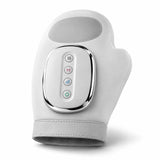
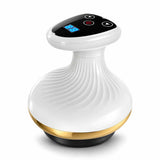
At-home tools and videos may seem convenient, but they can vary in design and instructions. Don’t assume a device or online routine is suitable for everyone, and don’t use one to address a health concern without getting appropriate professional guidance. If you’re simply comparing options for a personal-care routine, read the instructions, understand the return policy, and avoid products marketed with guaranteed medical outcomes.
Questions to Ask Before You Book
- What specific technique do you use, and how would you describe it?
- What training or relevant credentials do you have?
- What should I expect during the appointment, including pressure and draping?
- Can I ask for a change or stop the session at any time?
- Are there circumstances in which you recommend I speak with a healthcare professional first?
- What is included in the price, and what is the cancellation policy?
You can send these questions by email before booking. A few clear answers make it easier to compare two services on equal terms.
How to Prepare for Your Appointment
Once you’ve chosen a provider, keep preparation simple. Confirm the appointment time and location, wear something comfortable, and arrive with enough time to review any intake information. Share relevant preferences and ask about anything you don’t understand before the session starts. You can also agree on a simple signal or phrase to pause the appointment.
Afterward, take a moment to assess the experience rather than trying to judge it by a promised outcome. Did the practitioner explain the process? Did you feel listened to? Was the pace and pressure comfortable? These are practical points you can use when deciding whether you would book with that provider again.
Red Flags to Watch For
Be wary of guaranteed results, claims that one session can solve a health problem, or advice to delay or replace medical care. Other warning signs include unclear pricing, pressure to buy a package immediately, dismissive responses to consent questions, and promises that sound too sweeping to verify. A trustworthy service description should explain the session without overstating what it can do.
The Bottom Line
The best lymphatic drainage massage is not necessarily the most expensive or the one with the boldest claims. It’s the option that clearly explains its technique, offers relevant and verifiable practitioner information, respects your boundaries, and fits your preferences and budget. Compare the details, ask direct questions, and treat your comfort as a central part of the decision. If your interest is connected to a medical concern, seek guidance from a qualified healthcare professional before booking.


